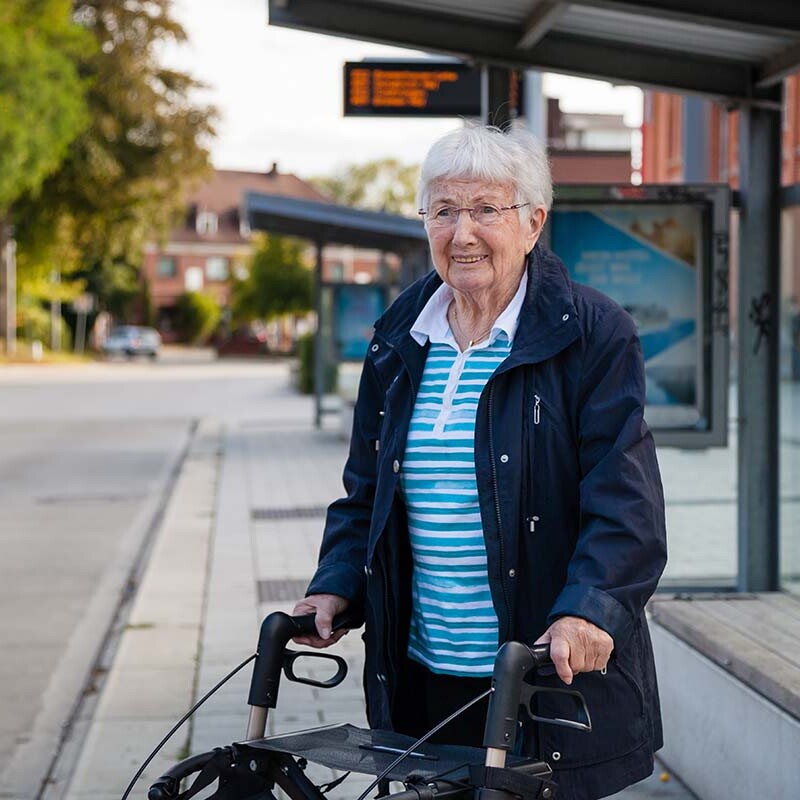
Support accessible transportation in your community
A step-by-step guide to expand accessible travel and build a more connected community.


Step 1
Find local transit options
Local transportation comes in many different forms. Taking a closer look can help you discover the transit options available in your area.
- An agency provides public transportation near you.
- Your county, city, or state government offers transportation to constituents, older adults, or people with disabilities.
- Non-profit or local groups provide transportation for errands, education & employment, or faith services.
Step 2
Join the conversation
Transit programs, nonprofits, and community groups all work together to support flexible travel. Many of these organizations host public meetings or have online spaces where you can share ideas.
- Accessibility committees, citizens oversight boards or panels.
- Local senior centers, disability groups, or area aging councils.
- Public hearings, city council meetings, and city planning commissions.
- Online feedback forms and official public surveys.
- Upcoming transit legislation/special elections.

Form a group:
Working as a team helps your community move forward. Find others who care about accessible travel to join you in supporting local transit.
Create a group:
Making yourself heard is easier when you say it as a group. Find others who share your concerns to join you in your advocacy.
Step 3
Get involved
Many community-focused organizations work hard to make getting around better for everyone. They research local travel and help plan new ways to connect residents. Many also bring people together to support specific disability and age groups.
- Local neighborhood councils, disability organizations, or advocacy groups that work to make transit easier to use and more accessible for all.
- Regional commissions or cooperatives focused on expanding transit options in your area.

Local resource hubs:
Libraries, community centers, and nonprofits are great places to find information on transit. Visit their offices or check their websites to discover what's available in your area.
The Library is your Resource:
Libraries and community centers provide information about government services, community organizing events, and available resources. Check out their websites or visit their locations.
Step 4
Be an expert
Use what you learn to help your neighbors and community. Knowing your local travel options lets you support others and help shape a better transit system.
- Learn about transit resources available to you, what to expect when traveling, and how to share helpful recommendations.
- Look into national organizations that work to expand accessible transportation services for older adults and people with disabilities.
- Speak the language. Learn common transit terms so you can communicate clearly with local decision makers.